Protecting the Endangered Marco Polo Sheep, Badakhshan Province
In December 2024, the NOIA team visited Badakhshan Province to meet with local communities living near the high-mountain habitats of the endangered Marco Polo sheep—one of Afghanistan’s rarest and most iconic wildlife species.
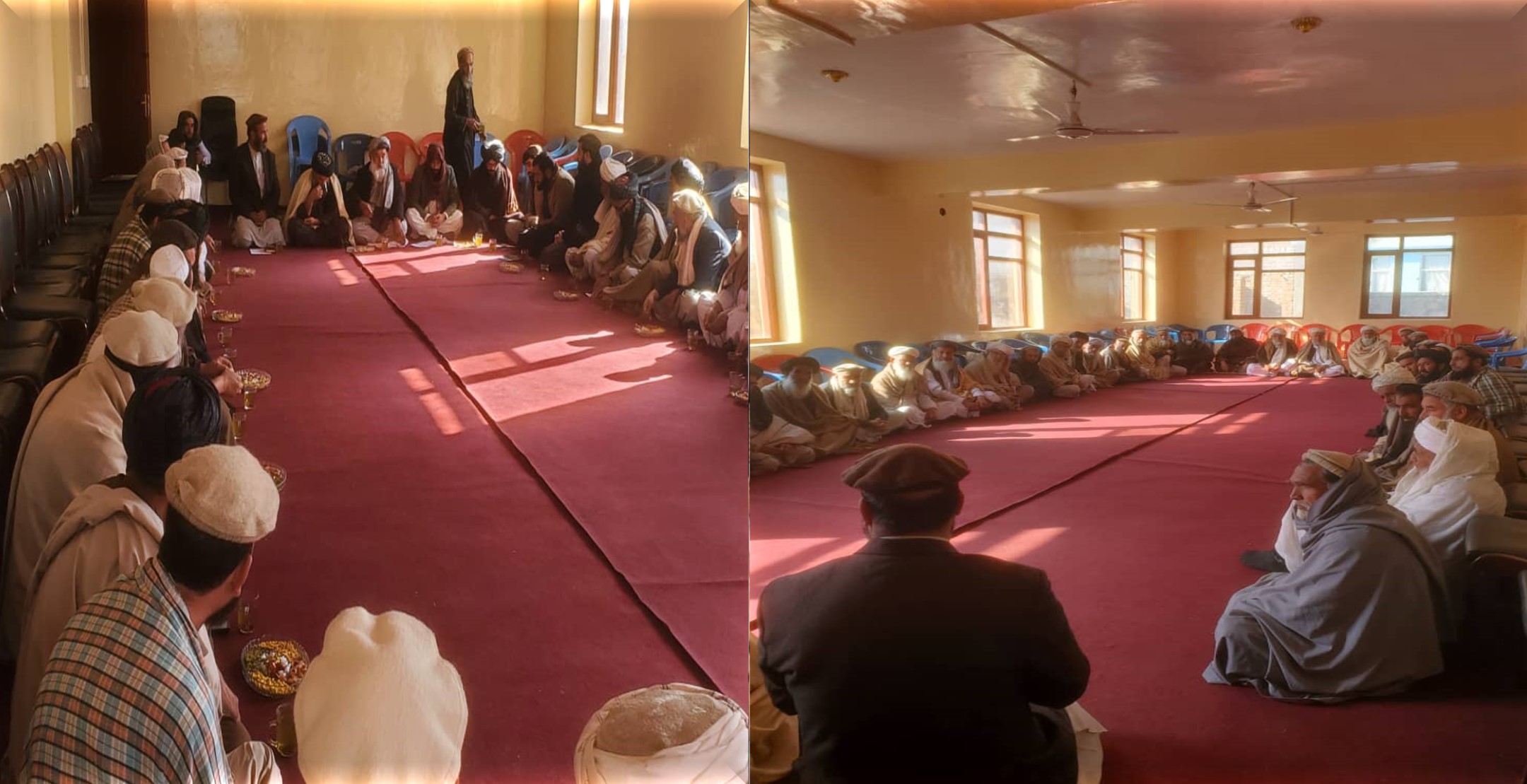
During the visit, the team held a series of informal meetings with community elders and residents. The purpose was to understand local concerns about the decline in Marco Polo sheep populations and explore ways to encourage protection of this critically endangered species.
The discussions revealed deep concern. Ahmad Jan, a respected elder, shared that each year, several Marco Polo sheep are hunted, especially during winter when poaching increases. He urged both donors and the Afghan government to take action to prevent further loss of this rare species. “Our mountains are losing their heritage,” he said. “People need to know why this animal matters—not just to nature, but to our identity.”
Based on local guidance, the NOIA team attempted to raise awareness on the spot—speaking with youth and families about the ecological importance of the species and the long-term damage caused by hunting. While these efforts were positively received, it became clear that much more sustained awareness is needed to truly protect the Marco Polo sheep.
The community elders stressed that education and outreach—not just enforcement—are key. They recommended local radio programs, school talks, and visual awareness materials that could reach hunters and travelers in remote villages.
This trip marks an important step in NOIA’s growing commitment to community-led conservation. Protecting Afghanistan’s natural heritage—including rare species like the Marco Polo sheep—depends not only on policy, but on empowering people with knowledge and pride in their environment.
Success Story:
Mirza Gul, community elder in Pamir, Badakhshan. The Marco Polo sheep (Ovis ammon polii), renowned for its magnificent, spiraling horns, is one of the most iconic and endangered wild sheep species in Central Asia. Native to the high-altitude regions of Afghanistan, Tajikistan, and China, these sheep are classified as Near Threatened by the IUCN Red List, with populations in Afghanistan particularly vulnerable. Their primary threats include illegal hunting for trophies, habitat encroachment, and limited food resources due to livestock competition. The species plays a critical role in the mountain ecosystems of the Pamir region, contributing to biodiversity and ecological balance. From 2022 to 2024, NOIA led proactive conservation efforts to protect the Marco Polo sheep in Badakhshan’s Pamir region. By conducting awareness campaigns targeting local communities, NOIA reduced hunting pressures and encouraged sustainable practices. The organization engaged local stakeholders to foster a sense of ownership in conservation, demonstrating the ecological and economic importance of protecting these sheep. This initiative underscores NOIA’s dedication to safeguarding Afghanistan’s unique wildlife heritage. NOIA organized four community-based workshops involving 120 participants, including hunters, local leaders, and young volunteers. These workshops raised awareness about the ecological importance of the Marco Polo sheep and promoted sustainable practices. The training sessions covered habitat conservation, the dangers of unsustainable hunting, and alternative livelihoods.
Feedback from participants was overwhelmingly positive, with many committing to becoming local conservation advocates. Mirza Gul, a community elder, shared, "Before NOIA’s awareness sessions, we didn’t realize how important these animals are to our environment. Now, we protect them instead of hunting them." Since the project’s launch, over 30 local participants have remained actively engaged, monitoring wildlife activities and reporting poaching incidents. This initiative continues to foster environmental stewardship and strengthen biodiversity protection.
"At NOIA, we believe every animal deserves the freedom to roam safely in its natural habitat. Protecting the Marco Polo sheep isn’t just conservation—it’s a promise of care and stewardship. Together with local communities, we stand as guardians of their freedom, ensuring future generations witness the beauty of a world where wildlife thrives and every life matters."